
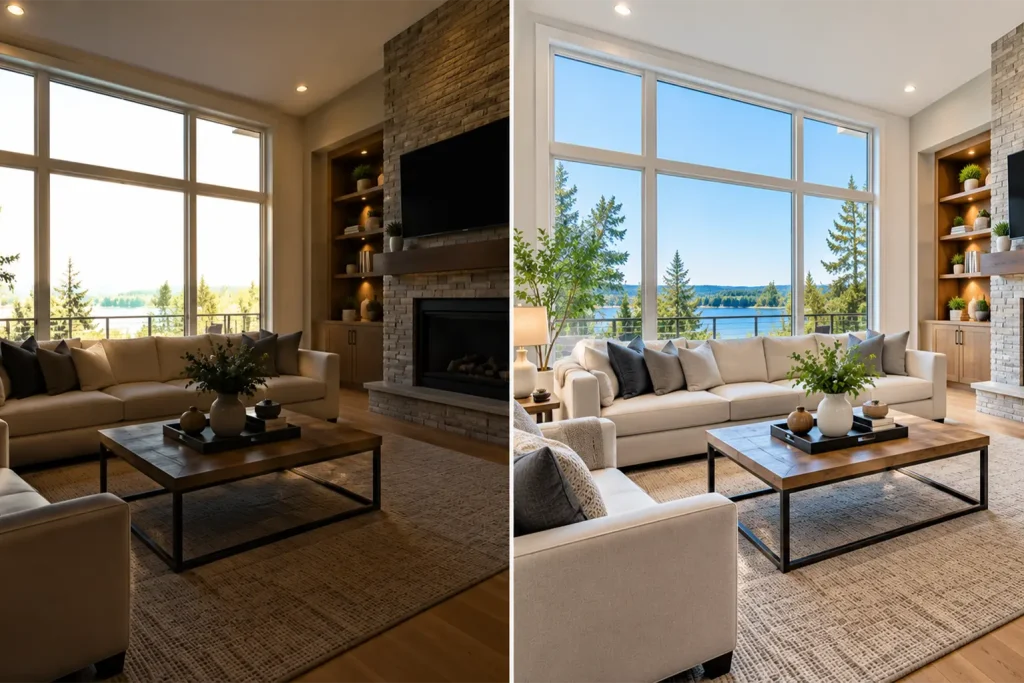
Think about the last time you searched for a home or a rental online. You probably didn’t read the description first. You scrolled through the photos, and within a few seconds you decided whether the place was worth your time. That quick decision is exactly why the pictures matter so much. A bright, balanced, inviting photo gets a click, a showing request, and a phone call. A dark, flat, or strangely colored one gets skipped, no matter how beautiful the property is in person.
If you’re a photographer, an agent, or a broker, you already know this. You also know how hard it is to capture a room the way the human eye sees it. A camera can’t handle a dim living room and a sunny window in one shot, so something always loses. Either the room looks murky or the view outside turns into a white blur. That’s the gap HDR real estate image retouching is built to close, and it’s why so many professionals hand this part of the job to someone who does it every day.
We’re Graphics Revive, and image editing is what we do. In this article, we’ll walk you through what HDR real estate image retouching really involves, where cheaper shortcuts let people down, and how to compare providers before you spend a dollar. We’ll be honest about what separates a strong result from an average one, so by the end you can make a confident choice, whether you end up working with us or not.
What HDR Real Estate Image Retouching Actually Means
HDR stands for high dynamic range. In real estate photography, it usually starts on location, where the photographer takes several shots of the same room at different exposures: one dark to hold the window details, one bright to open up the shadows, and a few in between. Those bracketed frames are then merged into one image that shows everything the eye would have seen standing in the room.
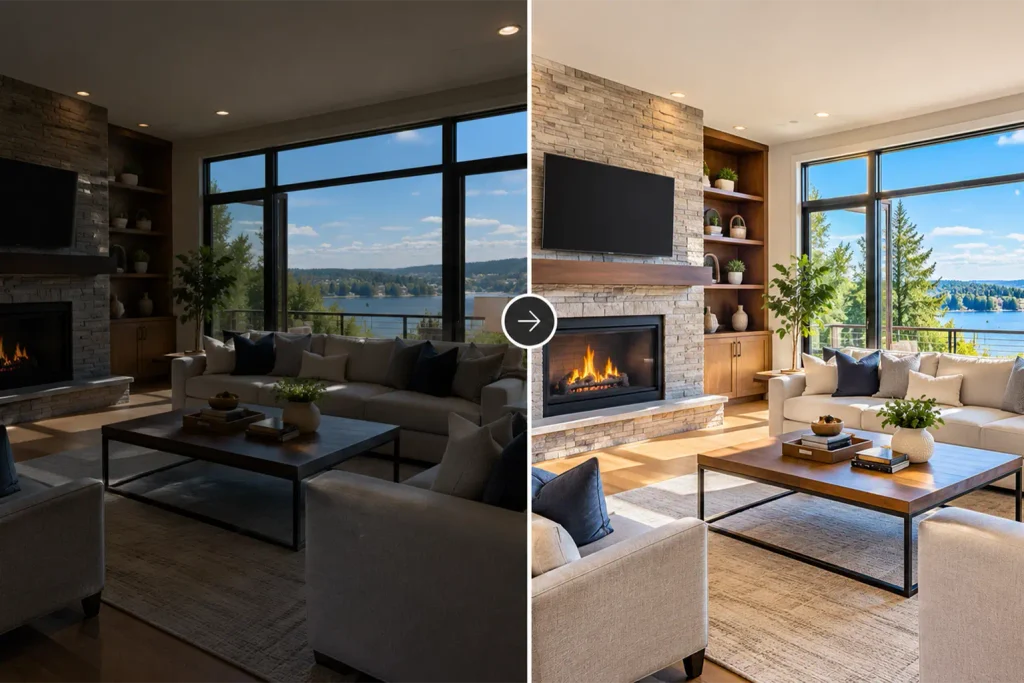
The merge is only the first half. The second half is the retouching, and it’s where a decent image becomes a listing-ready one. A raw HDR blend often needs careful attention. Colors can drift, edges can glow, and walls can pick up odd tints from mixed lighting. Verticals may lean, and small distractions like cords, stray objects, or marks on the wall can pull attention away from the space. Professional HDR real estate image retouching handles all of this by hand, with a trained eye, so the final photo feels natural instead of processed.
People often treat blending and retouching as the same thing, but they’re different skills. Blending combines the exposures, while retouching refines the result. When you compare services later, it helps to ask which of the two you’re really getting, because the best outcomes need both done well.
The Problems Good Retouching Solves
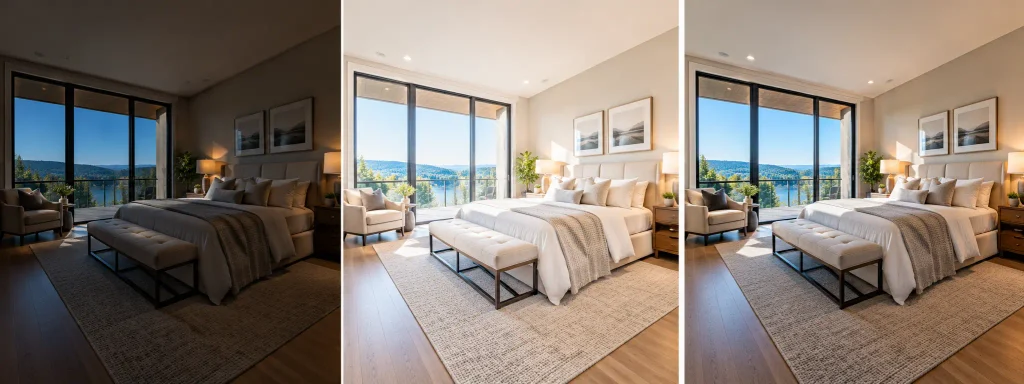
Most real estate photos run into the same handful of problems, and a skilled editor knows how to deal with each one. Windows are the classic example. A great window pull lets buyers see the view outside without the glass looking pasted in or the frame looking dirty. It takes patience, because a harsh cutout looks fake and a weak one leaves the room feeling dull.
Then there’s color. Homes are full of mixed light, like warm lamps, cool daylight, and the green bounce from a lawn outside. All of it can leave a photo looking yellow in one corner and blue in another. Careful color balancing brings the whites back to white and keeps wood tones, paint, and flooring looking the way they do in real life. Buyers notice when a photo feels off, even if they can’t say why, and that quiet distrust costs you attention.
Straight lines matter too. Walls that tilt, doorframes that bend, and ceilings that slope make a room feel smaller and less polished. Proper perspective correction fixes this without stretching the room into something it isn’t. Add in clutter cleanup, sharpness, noise reduction, and consistent brightness across the whole gallery, and you can see why quality HDR real estate image retouching is detailed work rather than a one-click job.
Why DIY and Automated Tools Often Fall Short
We get it. Editing software keeps getting smarter, and one-click presets promise a lot. For a quick personal photo, they’re fine. For paid real estate work, where the photos are your calling card, they tend to show their limits quickly.
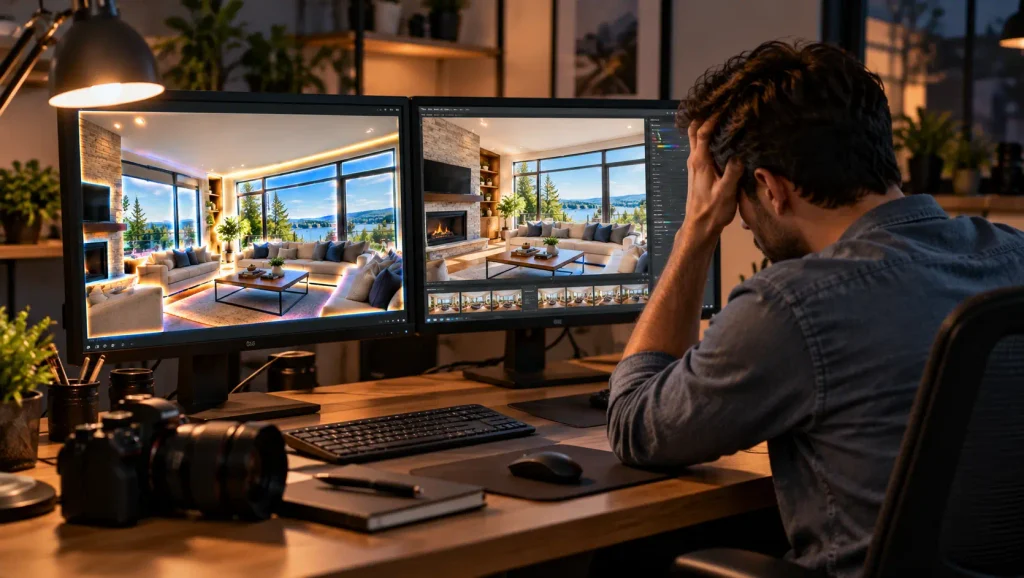
Automated tools apply the same adjustment to every image, but no two rooms are alike. A preset that rescues a small bedroom might blow out a bright kitchen. You’ll often see halos around windows, ghosting where something moved between frames, or a heavy, overcooked look that screams “edited.” Fixing those mistakes by hand can take longer than editing the photo properly in the first place.
Time is the other hidden cost. If you’re shooting several properties a week, spending your evenings dragging sliders adds up fast. Every hour you spend editing is an hour you’re not shooting, marketing, or answering clients. Many photographers find that outsourcing HDR real estate image retouching is less about saving money and more about getting their evenings and their growth back.
What “Professional” Should Actually Look Like
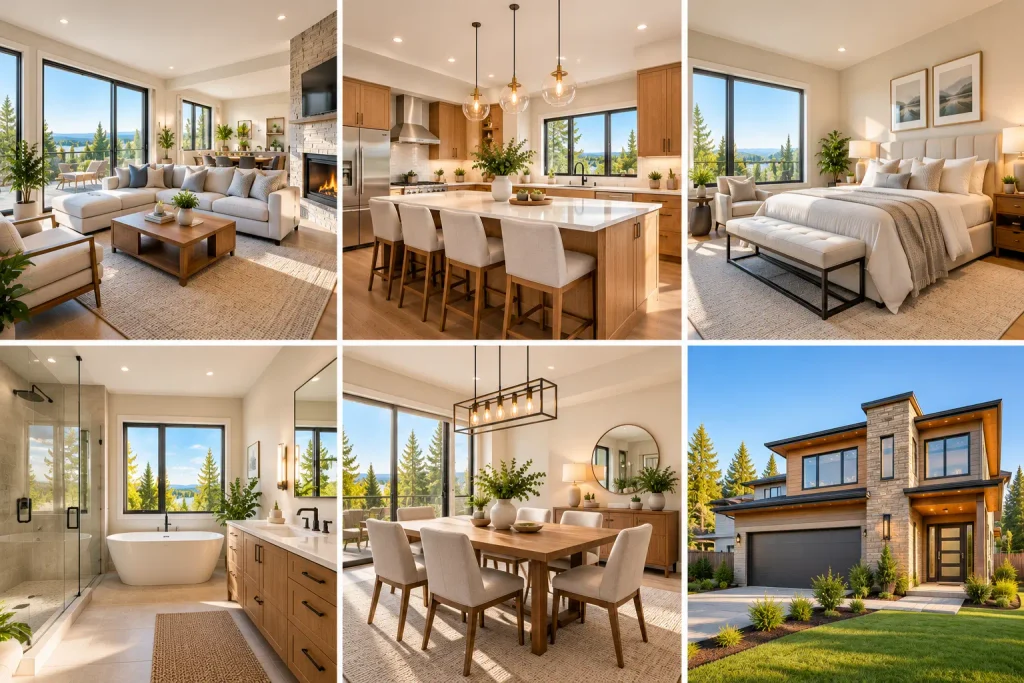
The word “professional” gets used so often that it’s easy to stop noticing it. So here’s what we think it should mean when you look at the finished photo. First, it should look natural. A buyer should walk through the gallery and feel like they’re seeing the home, not looking at an effect. Bright, clean, and balanced, yes, but never plastic.
Second, it should be consistent. Every photo in a set should share the same look, brightness, and color feel, so the listing reads as one story. Third, it should be honest. Good retouching makes a home look its best, but it doesn’t mislead. We clean up distractions and fix technical flaws, and we don’t hide real features or invent ones that don’t exist. That honesty protects you and the agents and sellers who rely on your work.
Finally, it should be ready to use. That means the right sizes, the right formats, and files that upload cleanly to listing platforms without extra tweaking. If a service hands you images you still have to fix, it hasn’t really finished the job.
How We Approach HDR Real Estate Image Retouching
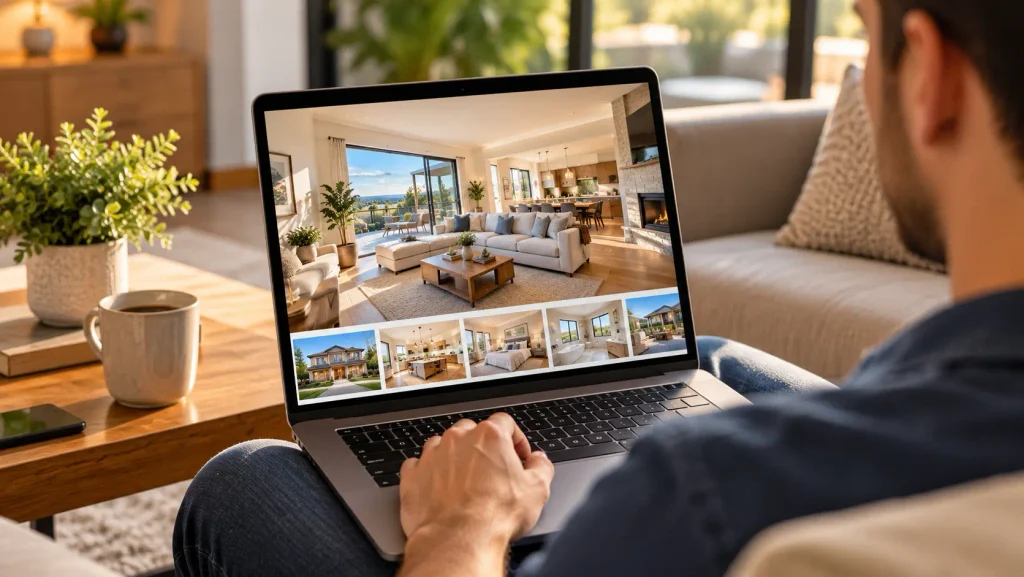
We keep our process simple, because we think hiring an editor shouldn’t feel complicated. You send us your bracketed files along with any notes about the look you want, whether that’s bright and airy, warm and natural, or something specific to your market. We take it from there, working through each image with careful attention to windows, color, lines, and detail.
We treat every set as if it were going on our own listing. That means we look at the whole gallery, not just single frames, so the finished photos match each other and tell a clear story about the home. When we deliver, you get images that are ready to publish. If something isn’t quite what you pictured, tell us. We want you to be happy with the result, and we’re glad to adjust until it feels right.
What we care about most is that you can trust the outcome. When you’ve worked with a new editor and been burned before, it’s tempting to double-check every file. Our goal is for you to open our delivery, smile, and move on to your next shoot.
What You Get When You Work With Us
When people ask what makes our service different, we point to the things you’ll actually feel in your workflow. Our editing leans natural, so your photos look polished without looking fake. We pay close attention to window views, because that’s the detail buyers notice first and photographers get judged on. And we keep color true to the space, so a gray wall stays gray and warm wood stays warm.
We also know that consistency is where many providers slip. Our approach to HDR real estate image retouching is built around keeping a steady style from the first photo to the last, and from one project to the next, so your portfolio holds together. If you build your brand on a signature look, we’ll learn it and stick to it.
Communication matters to us as much as editing does. You’ll always know where your files are and what to expect, and you won’t have to chase anyone for answers. We handle your images with care and respect your clients’ properties and privacy. And whether you send a single listing or a steady stream of work, we can scale with you, so you don’t have to worry about busy seasons or sudden rushes.
How to Compare Providers Before You Hire
Since you’re comparing options, here’s what we’d look at if we were in your shoes. Start with samples. Don’t just trust a flashy homepage gallery. Ask for a small test edit using your own files, because that shows you how a provider handles your actual photos, your lighting, and your style. A confident editor won’t mind.
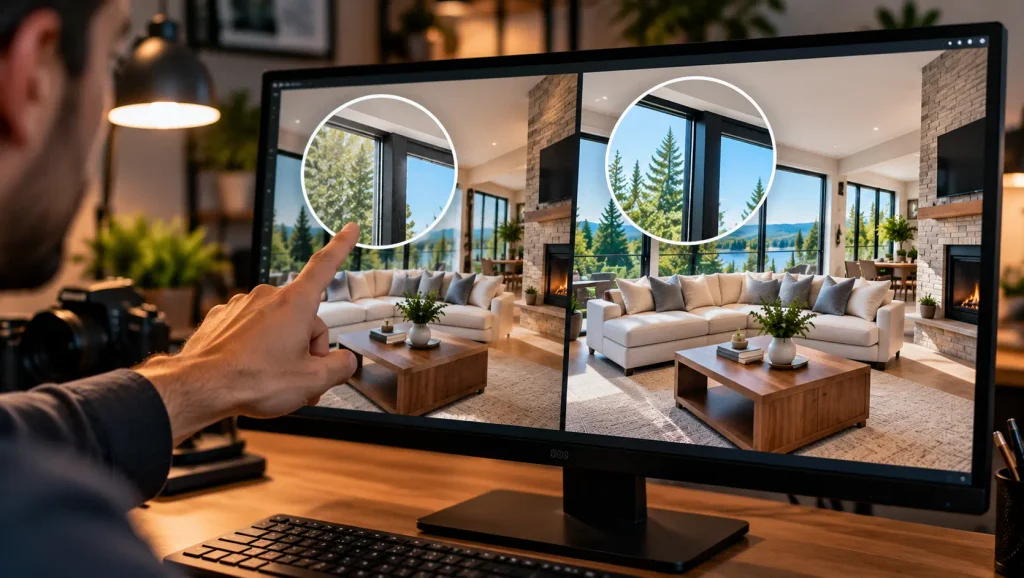
Next, look closely at the details inside the sample. Check the windows, the walls, the corners, and the edges of furniture. Zoom in. Look for halos, color cast, muddy shadows, and anything that feels artificial. The small stuff separates real craftsmanship from rushed work.
Then think about reliability. A beautiful edit that arrives late is a problem when a listing has to go live. Ask how turnaround works and what happens when you have a tight deadline. Ask about revisions too, and whether changes are handled smoothly or turned into a hassle. And look at how clear the pricing is. You shouldn’t need a calculator and a decoder ring to understand what you’ll pay for HDR real estate image retouching.
Last, pay attention to how they talk to you. The way a provider answers your first questions is usually a good preview of how they’ll treat you as a client. Friendly, clear, and responsive is what you want. Vague, slow, or pushy usually doesn’t improve with time.
Questions Worth Asking Any Provider
Before you commit to anyone, including us, there are a few questions that tell you a lot. Ask whether the editing is done by trained people or mostly by automation, since that affects both quality and consistency. Ask how they handle tricky situations like very bright windows, mixed lighting, or heavily cluttered rooms. And ask what their process looks like if you’re not satisfied with a result.
It’s also worth asking how they keep a consistent look across a large batch, and whether they can match a style you already use. Finally, ask how they handle your files, including storage, privacy, and delivery. A good provider answers all of this clearly and without hesitation. If the answers feel slippery, that’s your cue to keep looking.
Who Benefits Most From Our Service
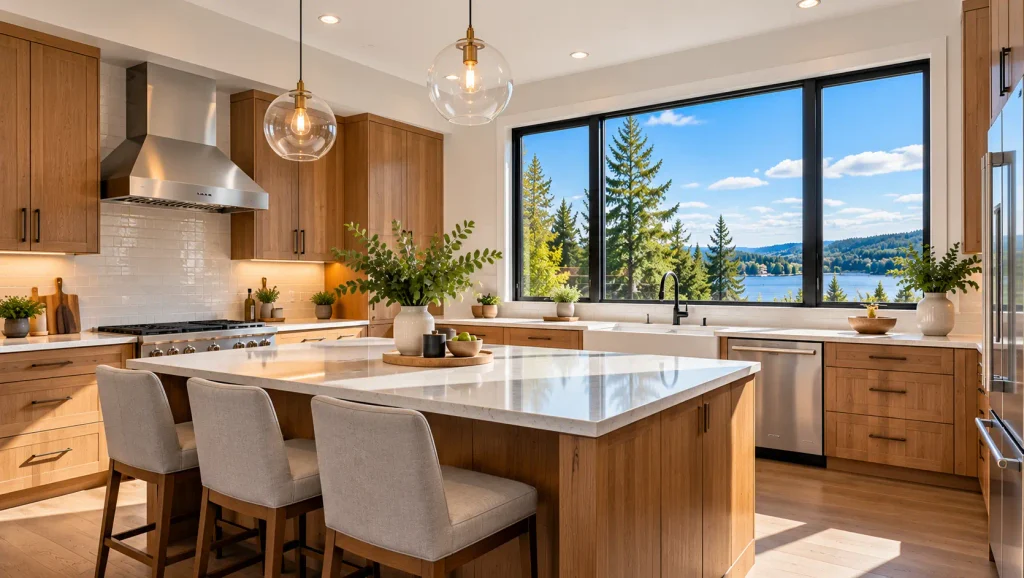
Real estate photographers are the most obvious fit. If you love shooting but dread the editing queue, handing off your retouching lets you take on more clients without burning out. Agents and brokerages who manage their own marketing also benefit, because strong photos mean stronger listings and a more professional image for the whole brand.
Property managers, builders, developers, and short-term rental hosts get a lot out of it too. Anyone who needs a property to look its best online, and who doesn’t have the time or patience to edit dozens of images, will find that quality HDR real estate image retouching pays for itself. Better photos tend to bring more attention, and more attention tends to bring faster conversations with serious buyers and renters.
Ready to See the Difference?
If you’ve read this far, you’re probably serious about finding the right editing partner, and we’d love to be considered. The best way to judge us is to see our work on your own photos. Send over a small batch, tell us what you’re after, and let the results do the talking. No pressure and no pushy pitch, just a straightforward look at what we can do.
At Graphics Revive, we believe a great listing photo should feel effortless to the viewer and look like pure confidence from you. That’s the standard we hold ourselves to with every HDR real estate image retouching project. Reach out whenever you’re ready, and let’s make your next set of listing photos the ones everyone stops scrolling for.
